
INVESTIGATION AND LAWSUIT
2006–2013
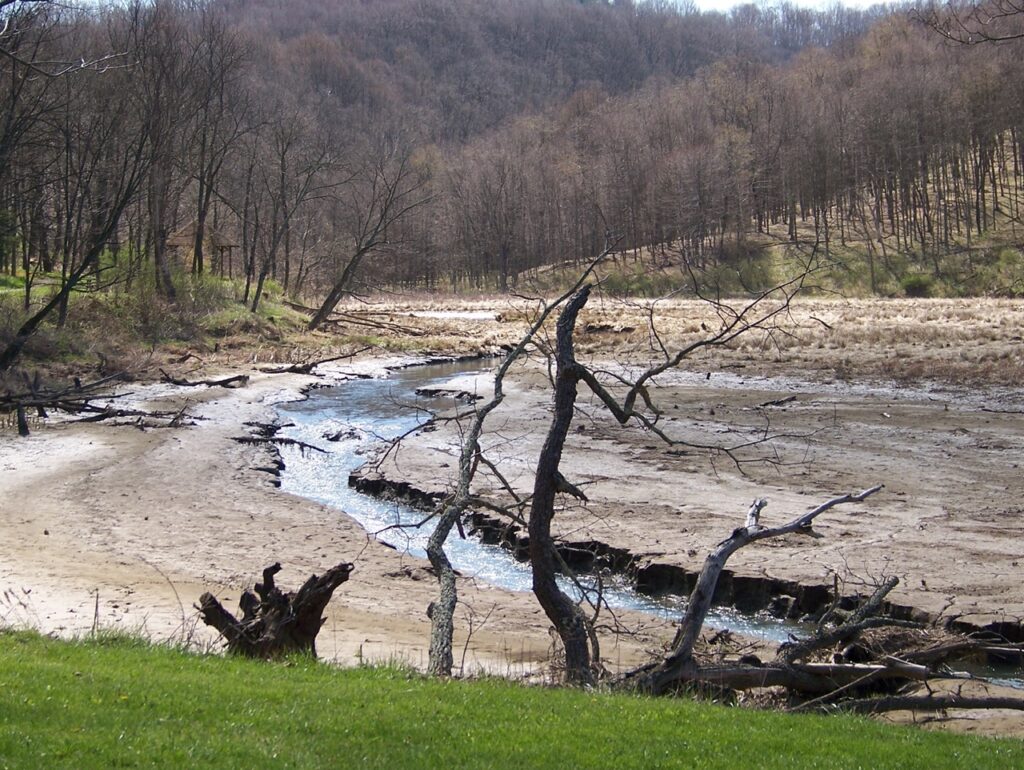
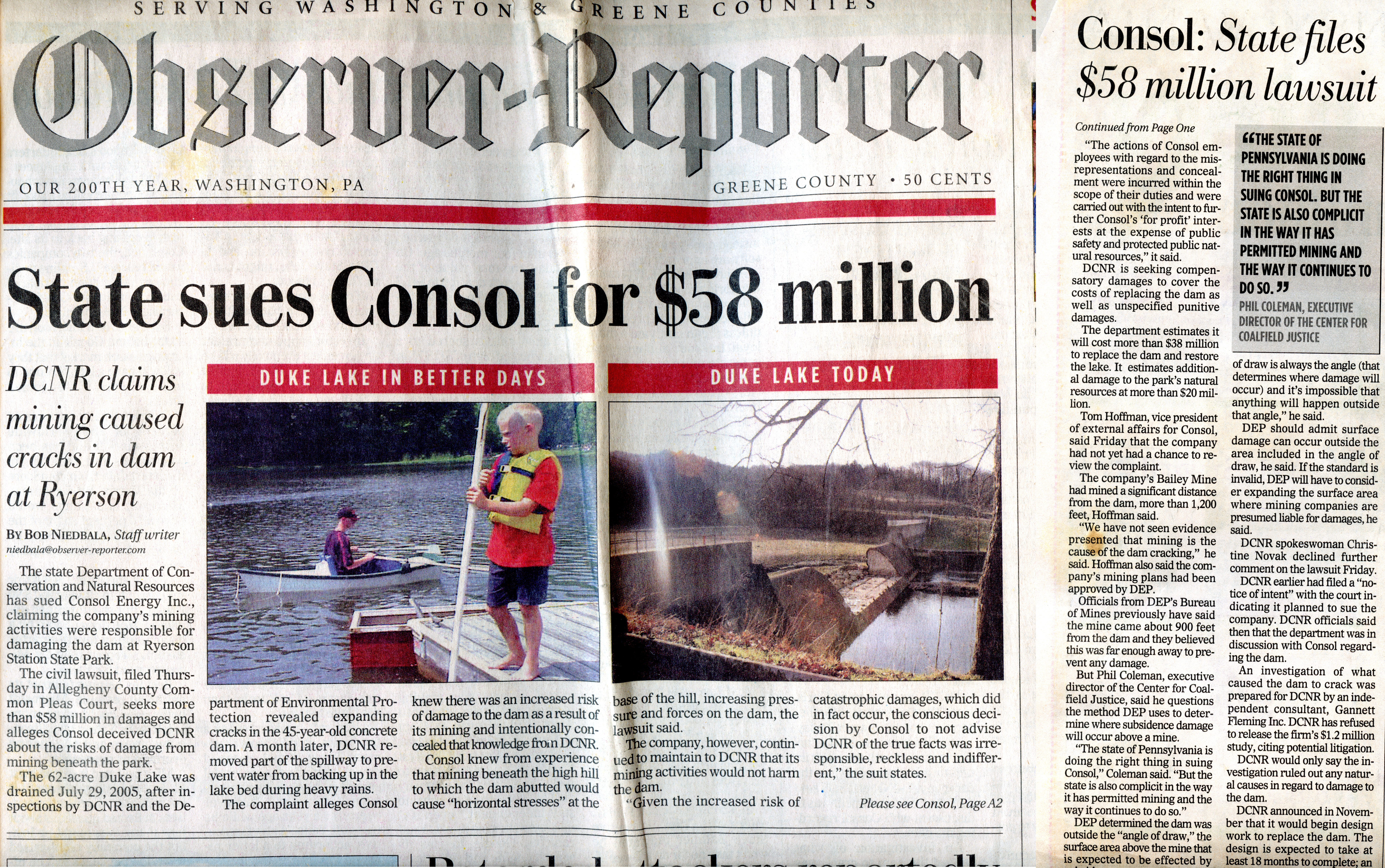
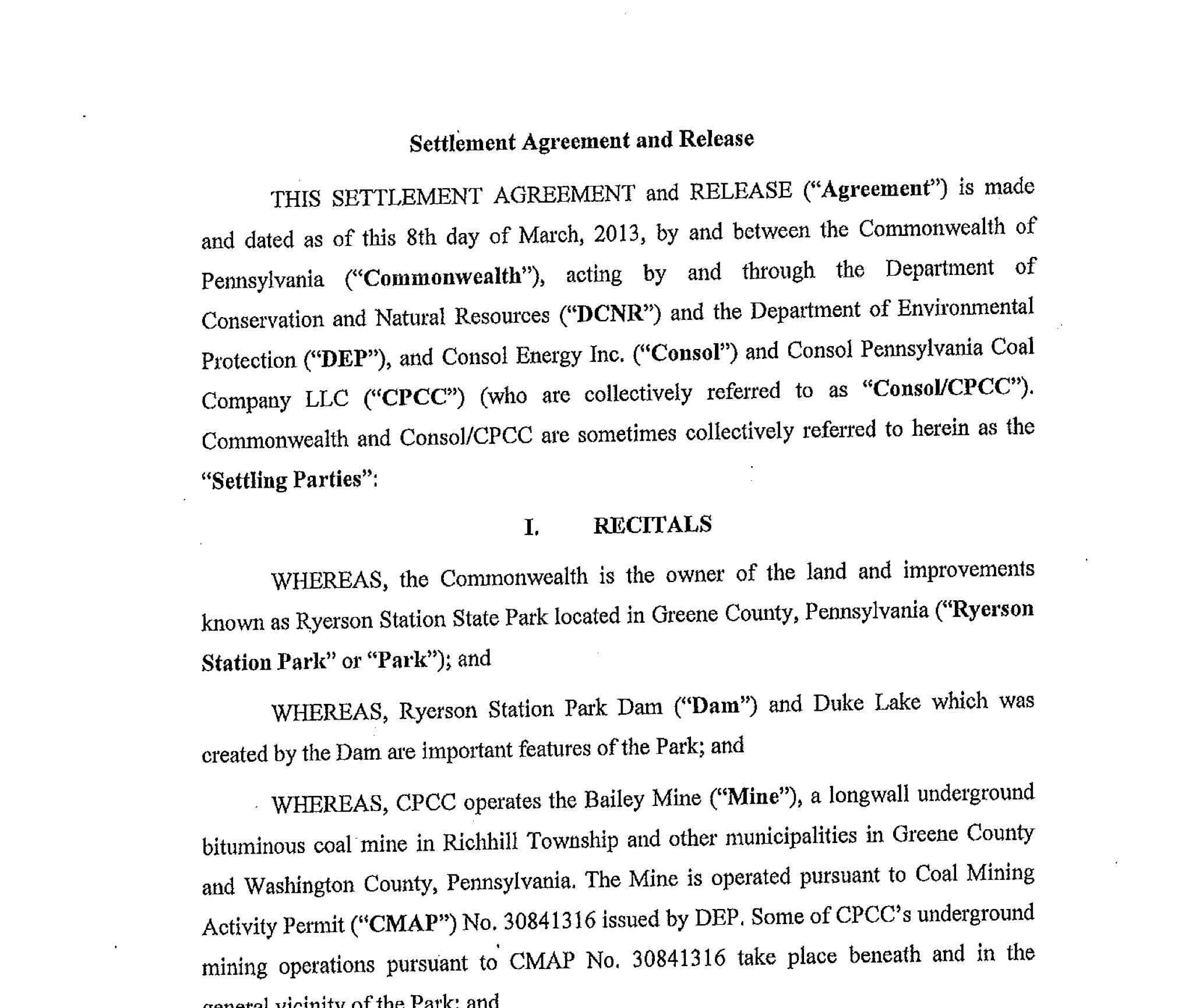
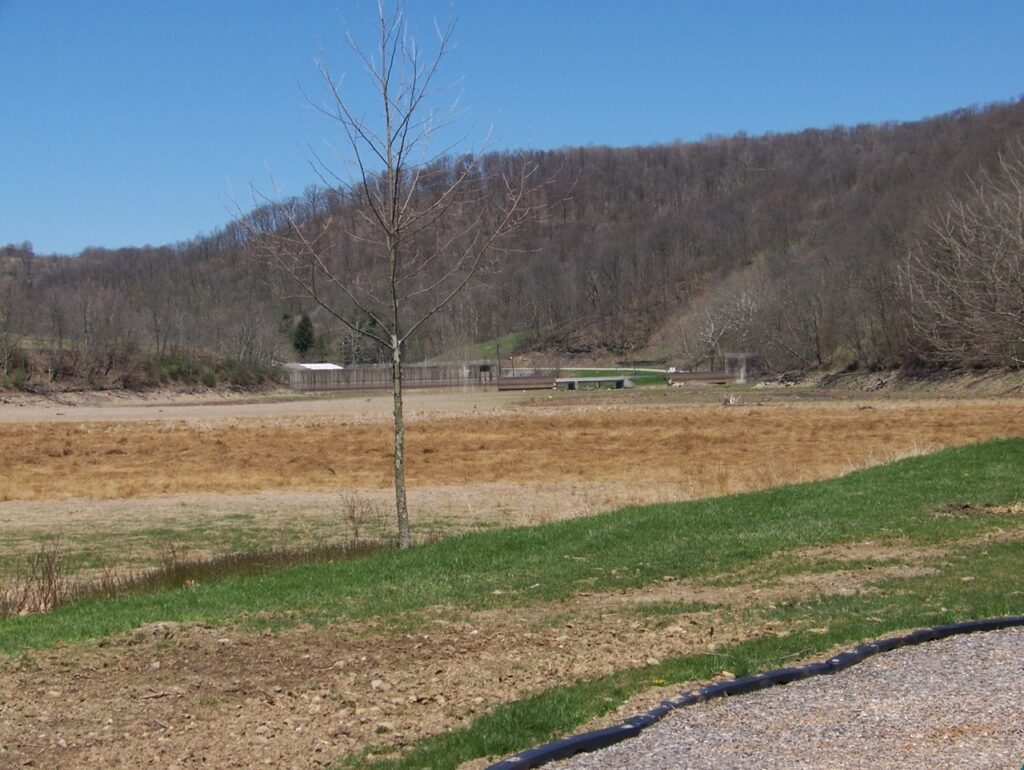
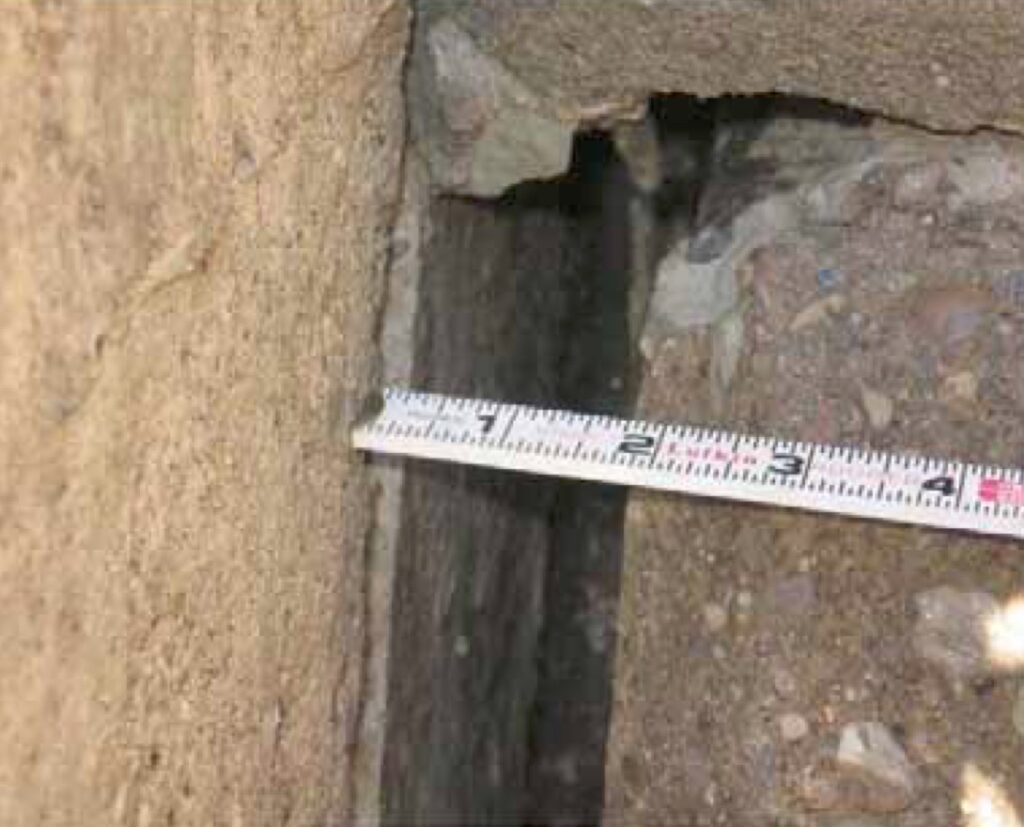
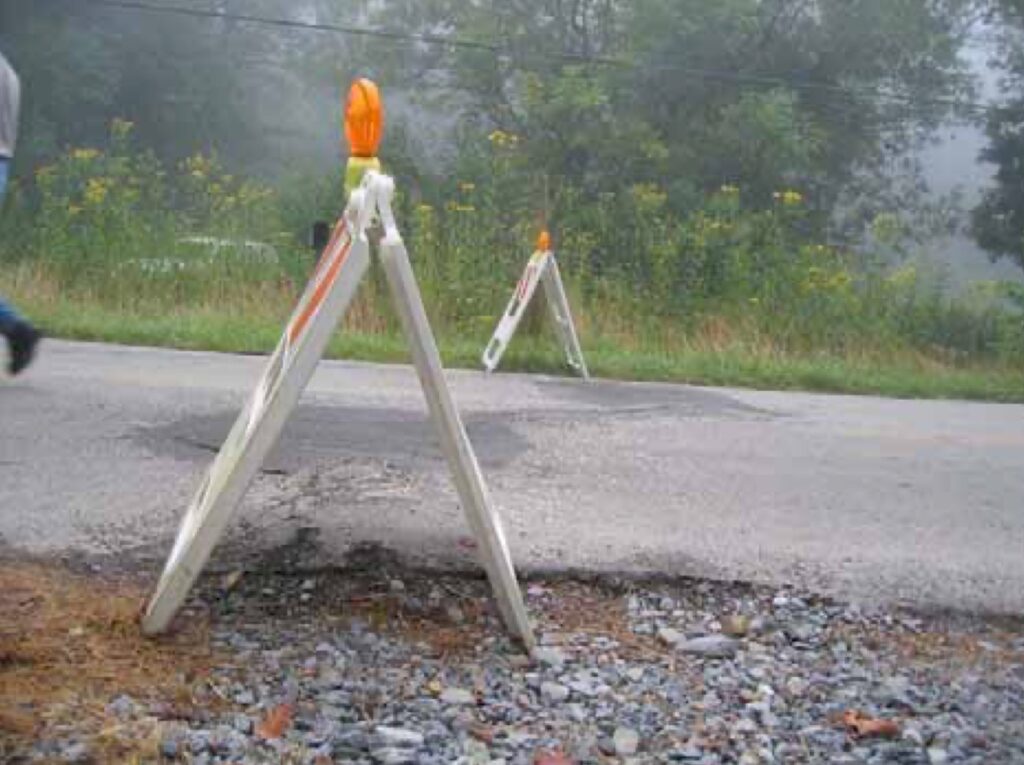
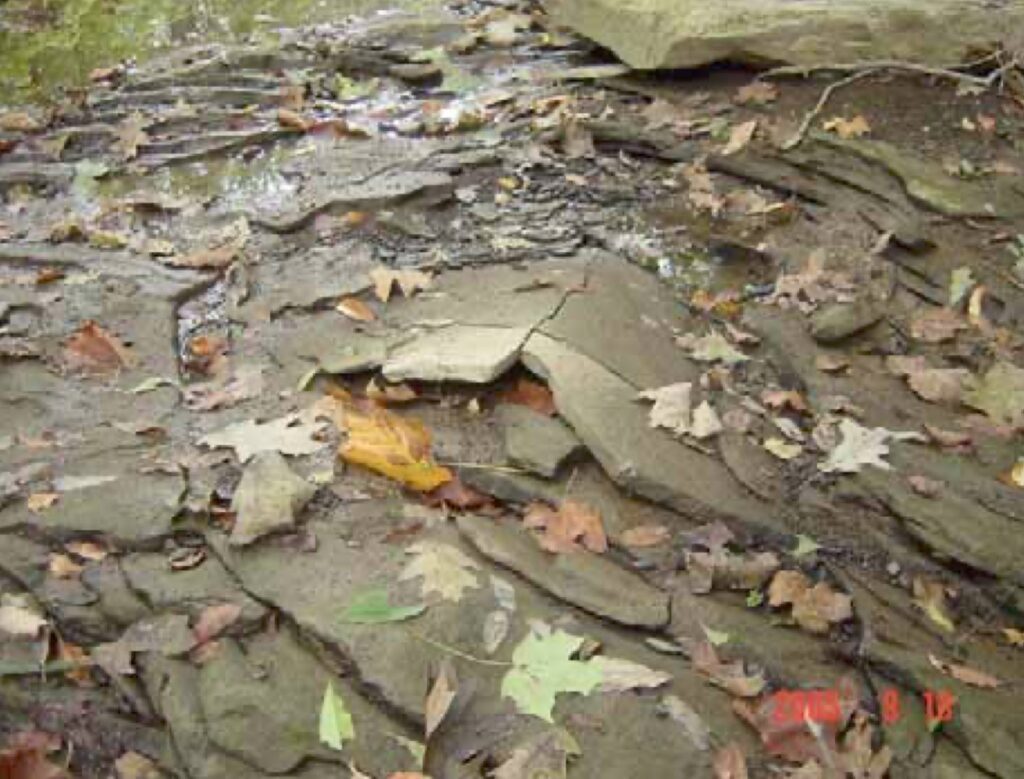
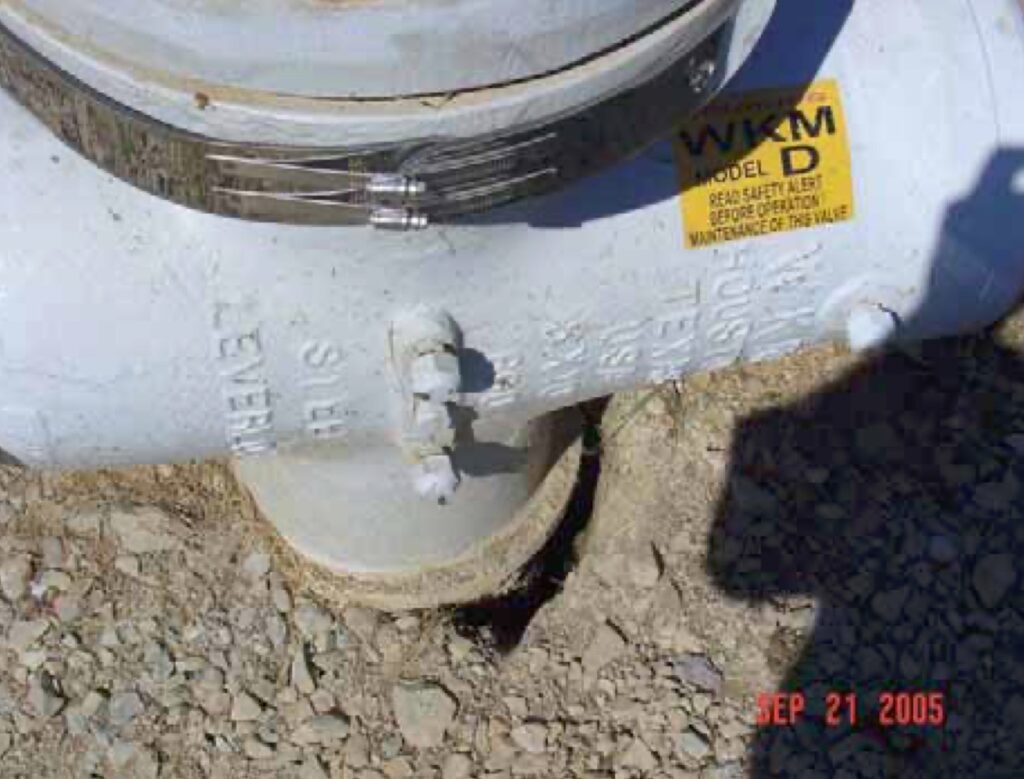
DEP and Gannett Fleming photos showing evidence of continued ground movement. See more here.
After the draining, experts continued to find new cracks in the dam and nearby road, some appearing overnight. Bristoria Road and Route 21 developed large bumps and cracks. Bridges shifted, natural gas pipelines near the Texas Eastern compressor station bent out of the ground, and rocks in the creekbed cracked and pushed upward. Many community members suspected the mines were at fault. The Department of Conservation and Natural Resources (DCNR) hired the engineering firm Gannett Fleming to investigate the damage.
In January 2007, DCNR announced plans to sue Consol Energy, followed by a $58 million lawsuit the next year. DCNR argued that Consol had downplayed the risks of longwall mining and violated a 2001 contract promising not to mine in ways that could endanger Duke Lake or the dam. Consol denied responsibility, claiming their mining operations were too far away to have caused the damage.
The lawsuit paused in October 2008 while the Pennsylvania Department of Environmental Protection (DEP) investigated the case under the Bituminous Mine Subsidence and Land Conservation Act (BMSLCA). During the investigation, DCNR faced pressure from residents and the Center for Coalfield Justice to release the $1.2 million Gannett Fleming report. Although DCNR denied multiple Right-to-Know requests because of the ongoing case, DEP relied heavily on the report in its findings.
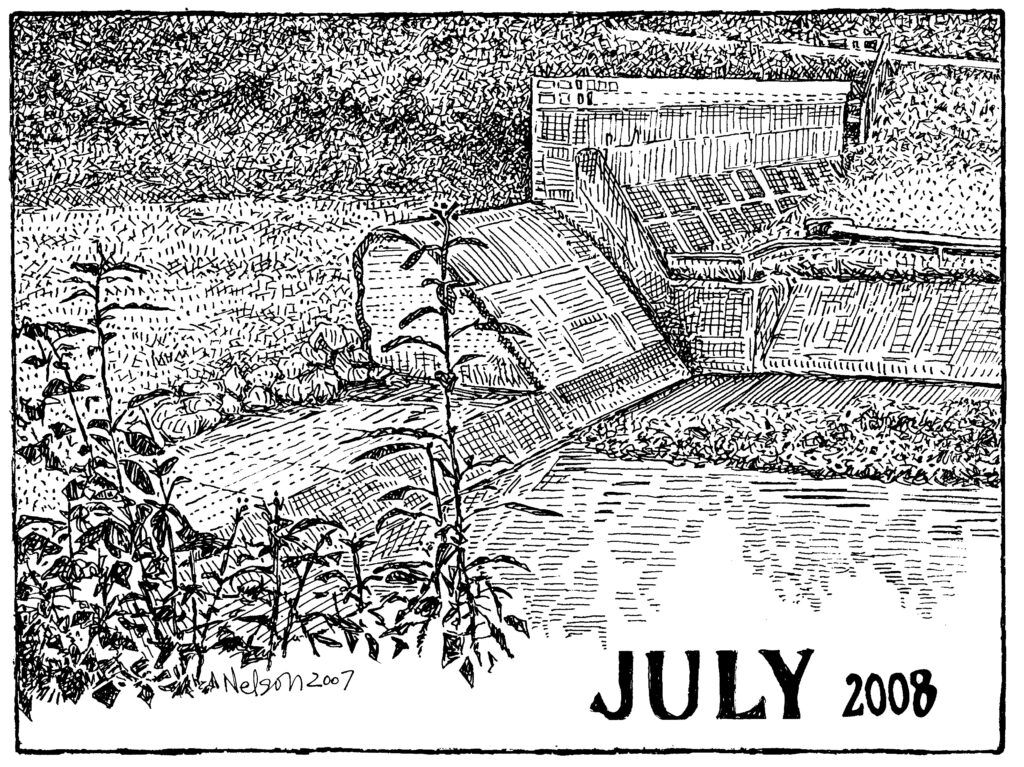
Drawing for the 2008 Greene Country Calendar by Colleen Nelson, showing the breached dam
In February 2010, DEP confirmed that Consol’s longwall mining caused the damage to Ryerson Station State Park. Later that year, DEP ordered Consol to pay $21 million to repair the dam. Consol appealed the decision to the Environmental Hearing Board, again denying responsibility and arguing they had mined legally under a state permit. In 2011, the Center for Coalfield Justice joined the case to represent community concerns.
The legal battle ended in April 2013 with a settlement between the state and Consol. Consol agreed to pay $36 million for legal costs and dam reconstruction. In return, the state allowed Consol to drill for natural gas and continue mining specific sections of coal under the park. As part of the deal, Consol admitted no fault for the damage.
With the dam expected to be rebuilt by 2017, the community celebrated the coming return of Duke Lake. By the time of the settlement, Duke Lake had sat as an overgrown mudhole for nearly a decade. Crews began removing sediment to prepare for construction, and the soil was later used to cover a dangerous coal refuse site in the nearby town of Mather.
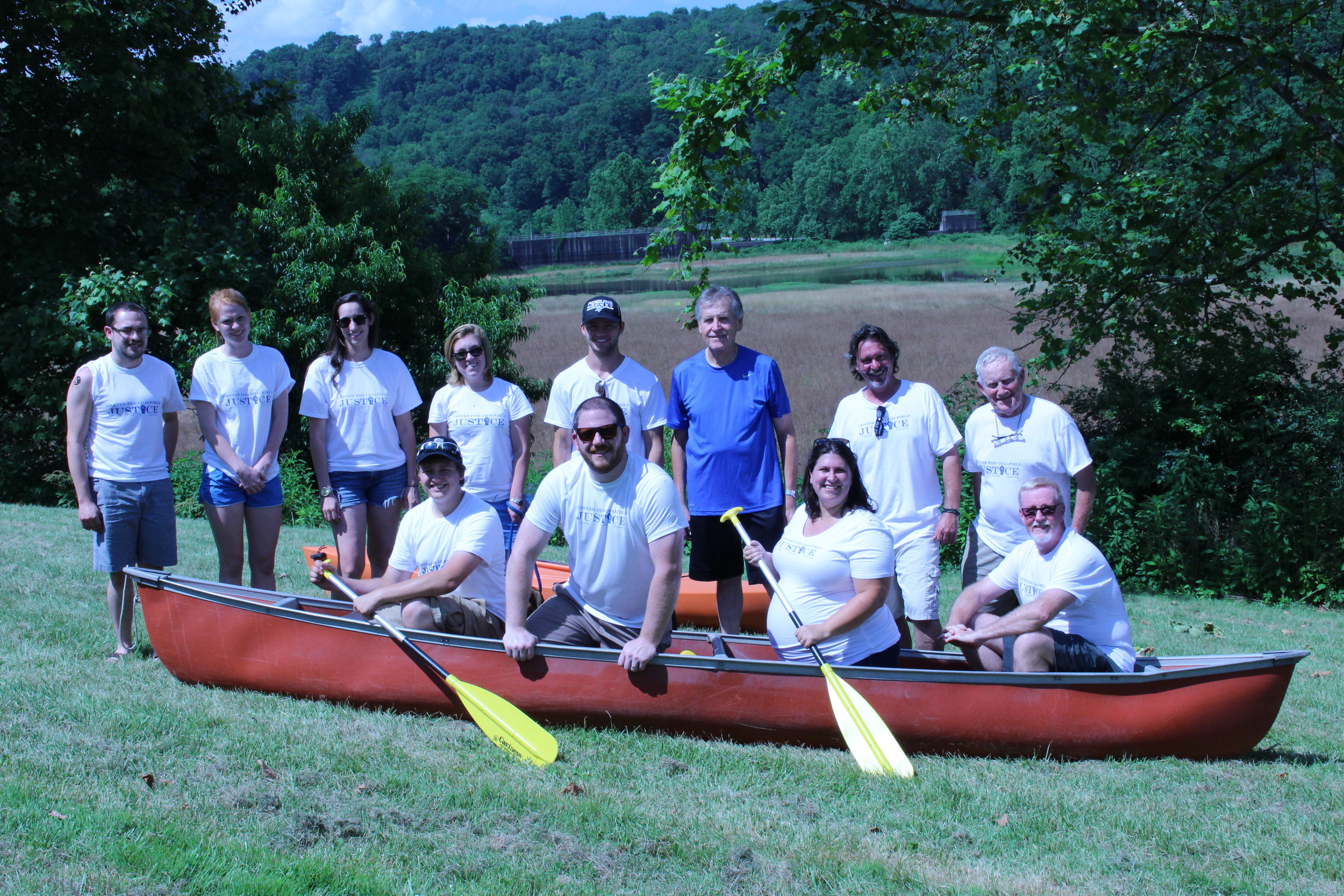
DRYerson Festival, run annually since 2007 by the Center for Coalfield Justice, remembers the loss of Duke Lake and informs the community of updates about the work being done to protect the park. Photo courtesy of Center for Coalfield Justice.